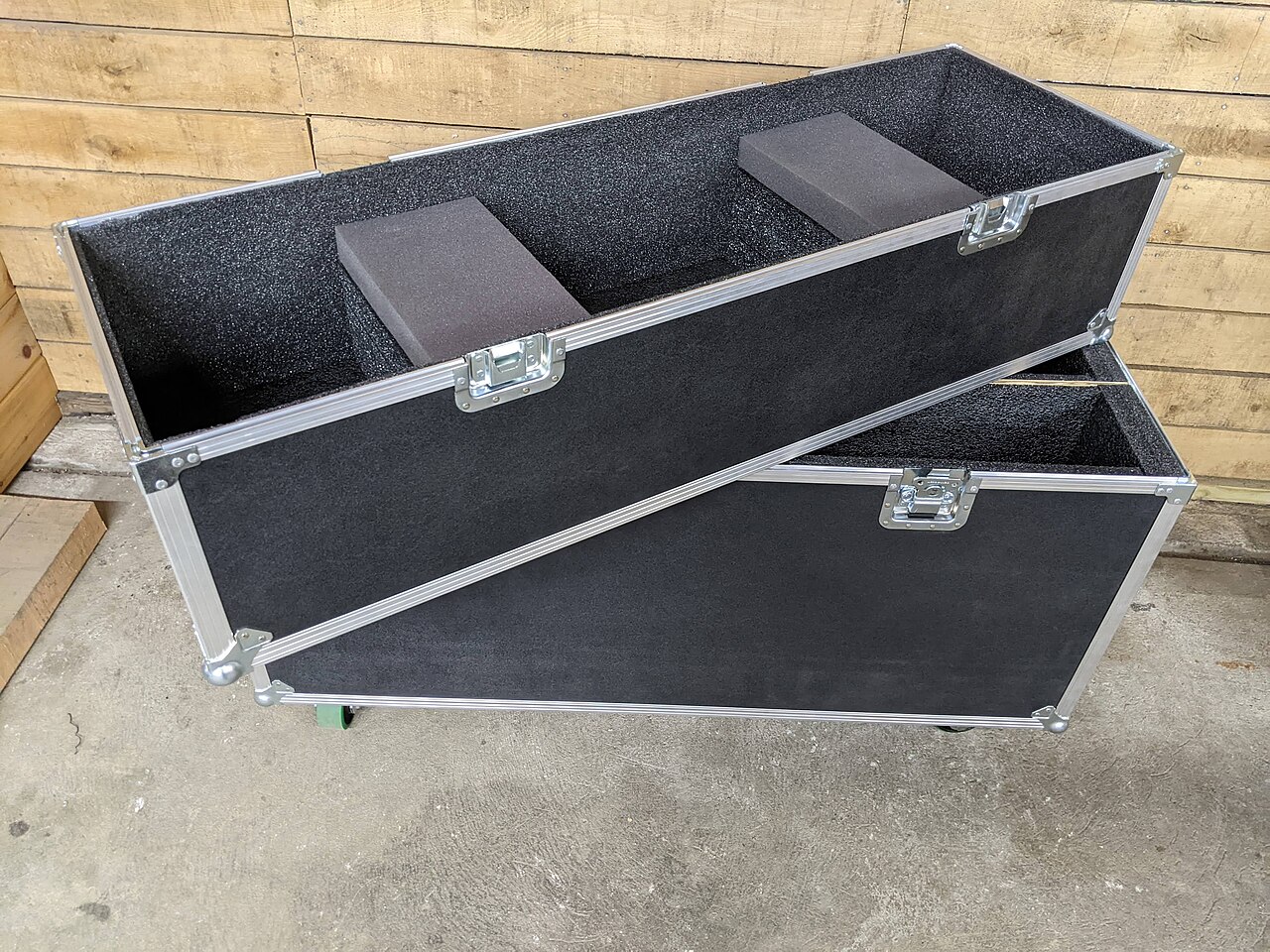
Why the gear on the truck may not match the quote
A rental quote promises a set of capabilities on a particular date, but inventory keeps moving. Cabinets come back damaged from the previous weekend, and consoles go out for repair. Working technicians in one Reddit discussion described broken speakers, repair delays, and the use of spares or hired-in replacements to cover gaps [R1]. Those are individual anecdotes, not industry statistics. They do show that a substitution can be an ordinary event rather than a scheme.
The real risk is a substitution nobody agreed to, or a defect nobody disclosed. A replacement that does the same job is often fine. Some replacements are not. One might need a rebuilt console file, another might not join the show network, and another might arrive with a dead driver. Any of these can eat soundcheck time you cannot recover. The rest of this guide is about making those differences visible early, while both sides can still fix them.
Write the scope around capabilities, not wish lists
Start with what the show actually needs. That includes coverage for the room or audience area, input and output counts, monitor mixes, wireless channels, and playback and recording connections. It also includes any networking the system depends on. Name exact models only where the show truly depends on them. A touring engineer's show file built for one console family is a good example, as is in-ear hardware the artist's team already programs.
Naming every model invites pointless arguments over boxes that do the same job. Naming none leaves you with no grounds to object when something weaker arrives. A mixed approach works better. Describe capabilities everywhere, name models where compatibility is critical, and add one sentence explaining why. That sentence helps the contractor propose a sensible rental gear equivalent substitute instead of guessing.
- State channel counts, mix outputs and wireless needs as numbers.
- Flag show files, network protocols and plug-ins that must work unchanged.
- List accessories: cables, adapters, stands, rack hardware, batteries and power distribution.
- Describe the area the PA must cover rather than saying 'loud enough.'
Agree how equivalents get approved before delivery
Get written agreement that the contractor will disclose and approve any substitution before the truck leaves. You should not discover it at load-in. Name the person on your side with authority to approve, such as the production manager or the front-of-house engineer. Decide who checks that the substitute really matches, including networking, file compatibility and accessories.
AVIXA publishes a performance verification framework built around agreeing verification criteria, timing and reporting [S1]. It is a voluntary industry framework, not a government permit or universal law [S1]. It is also neither a federal regulation nor a city or state requirement. Its core logic is still useful for a rental agreement: decide what the test is before the test happens. Confirm with your contractor which criteria they will accept for your show.
Ask for a fault list and a working inventory
A unit listed on a stock sheet only shows that the company owns it, not that it works. Ask for the items allocated to your show, any known faults, and confirmation that the items were checked after their last hire. In the same Reddit thread, some sarcastic comments described faulty items staying on inventory [R1]. Treat that as community joking, not a verified admission by any named vendor. It still illustrates why ownership and serviceability are separate questions.
Most contractors can say which items are just back from a hire, which are spares, and which have intermittent problems. If one refuses to discuss condition at all, note that. Also ask how faulty PA rental equipment would be replaced: from their own stock or hired in, and how quickly.
Run functional checks early and separate wear from failure
Schedule checks while a replacement is still possible. Warehouse prep or the start of load-in is ideal; minutes before doors is too late. Agree on what gets checked. Every speaker should pass clean audio, and every input and output should work. Wireless units should hold their link, the console should load the file, and networked devices should appear. Power distribution, electrical connections and flown rigging belong to the contractor's and venue's qualified personnel. Your role there is to observe and record. Do not open equipment or alter power or rigging.
Cosmetic wear is normal in rental gear and rarely worth a dispute: scuffed cabinets, faded labels, taped cases. A failure that affects the show is different. Examples include a missing high end, a crackling channel, an absent mix output or a wireless pack that drops out. Sort each issue into one of these categories before you raise it. That way you spend your goodwill on the problems that matter.
Document missing or faulty items precisely
When you find sound rental missing equipment or a defect, record facts, not accusations. Note the item, the model, the serial number where visible, and the symptom. Add the time you found it, who you told and what they promised. Photos of labels and a short clip of an audible fault help, if venue and artist rules allow recording.
Compare two ways of reporting the same problem. 'Your gear is junk' invites defensiveness. A clear note works better: wedge 3, serial ending 214, no high-frequency output at 2:40 pm, crew chief told, replacement promised by 4:00. That kind of note gets action and builds a timeline you can use later.
- Keep one shared log rather than scattered texts.
- Confirm verbal promises by short email or message the same day.
- Note what was fixed, not only what failed.
Set remedies for late substitutions
Decide in advance what happens if the contractor cannot supply the agreed gear. Reasonable options include corrected equipment by a stated deadline and extra technician time to make a substitute work. You could also agree a modified scope that both sides sign off on, or a commercial adjustment.
Adjustments are easier to discuss when the quote is itemized. In one Reddit thread, an owner questioned a flat rental price. Replies separated equipment, delivery, setup, operator and strike costs [R2]. That is anecdotal advice, but an invoice split this way lets you discuss which part a problem affected instead of fighting over the total. Read your contract before withholding any payment, and get qualified advice when the sums are significant.
Red flags: how defects get hidden and how to verify
Concealment usually looks mundane. Watch for inventory lists not updated since an earlier prep, and demonstrations that play one cabinet out of a stack. Another sign is replies saying a substitute is 'the same specification' without naming a model or explaining what matches. None of these proves bad faith, but each one leaves you unable to verify what you are getting.
The answer is evidence, not confrontation. Ask for substitute models in writing, listen to every unit rather than a sample, and compare serial numbers to the pull sheet. Confirm that accessories actually shipped. Never tamper with equipment to prove a point. If you suspect deliberate misrepresentation, document it and escalate.
Hypothetical worked example
Hypothetical: a 600-capacity club show contracts a PA, eight monitor mixes and a specific console model, because the touring engineer's file is built for it. Two days out, the contractor says the console is in repair and offers a 'same spec' alternative. The production manager asks one question in writing: will the file load? It will not, so the engineer would have to rebuild the show.
The options are put on the table. The contractor can hire in the correct console. Alternatively, it can supply the substitute plus earlier access, extra tech time and an agreed credit. At load-in, two wedges fail checks. Both are logged, one spare covers one wedge, and the band agrees to share a mix for the other. A same-night email summarizes everything.
When escalation makes sense
Escalate when the contractor will not engage, when failures repeat, or when meaningful money is at stake. Escalate immediately if anything suggests a safety issue. For electrical or rigging concerns, stop and involve the venue's responsible staff and qualified professionals rather than working around the problem.
For commercial disputes, send a written complaint to company management that references your contract and log. Check whether the contract names a dispute process. Beyond that, an attorney, your state or local consumer protection office, or small claims court may be options depending on where you are. Confirm with that specific authority what applies to you.
Your next steps
- Write capability requirements as numbers and name models only where compatibility depends on them.
- Require written disclosure and approval of any substitution before delivery.
- Name who approves equivalents and who verifies networking, files and accessories.
- Request a current fault list and the specific units allocated to your show.
- Schedule functional checks early enough to obtain a replacement.
- Log each problem with model, serial, symptom, time and contractor response.
- Agree remedies in advance: corrected gear, extra support, revised scope or a credit.
- Leave power and rigging checks to qualified personnel and report concerns immediately.
Questions that come up next
Is a substitute always a breach of the rental agreement?
Not necessarily. Many agreements allow equivalent substitutions, and a replacement that meets the stated capabilities may be acceptable. Whether a specific swap breaks your agreement depends on the contract wording and what was promised. Read the substitution language carefully, and seek qualified advice before treating a swap as a breach, especially when significant money is involved.
How can I tell if a 'same specification' substitute really is equivalent?
Ask for the exact model in writing. Then check the points your show depends on: input and output counts, network compatibility, show file loading, coverage and accessories. Have your engineer confirm the critical items. If the contractor cannot name the model or explain what matches, treat the claim as unverified until it is tested.
Should I refuse to pay if gear failed during the show?
Avoid acting on impulse. Review the contract and gather your documentation first. Then propose a specific adjustment tied to the affected part of the invoice, such as equipment or operator time. If talks stall, follow the contract's dispute process or consult an attorney or your local consumer protection office.
Sources & further reading
Community discussions identify lived problems; they do not establish technical or legal requirements. Primary references support the specific claims cited above.
- R1 / COMMUNITY DISCUSSIONWhat's the industry standard surrounding faulty equipment? ↗
- R2 / COMMUNITY DISCUSSIONHow much would you charge for this set up? ↗
- S1 / PRIMARY REFERENCEAVIXA: Audiovisual Systems Performance Verification ↗