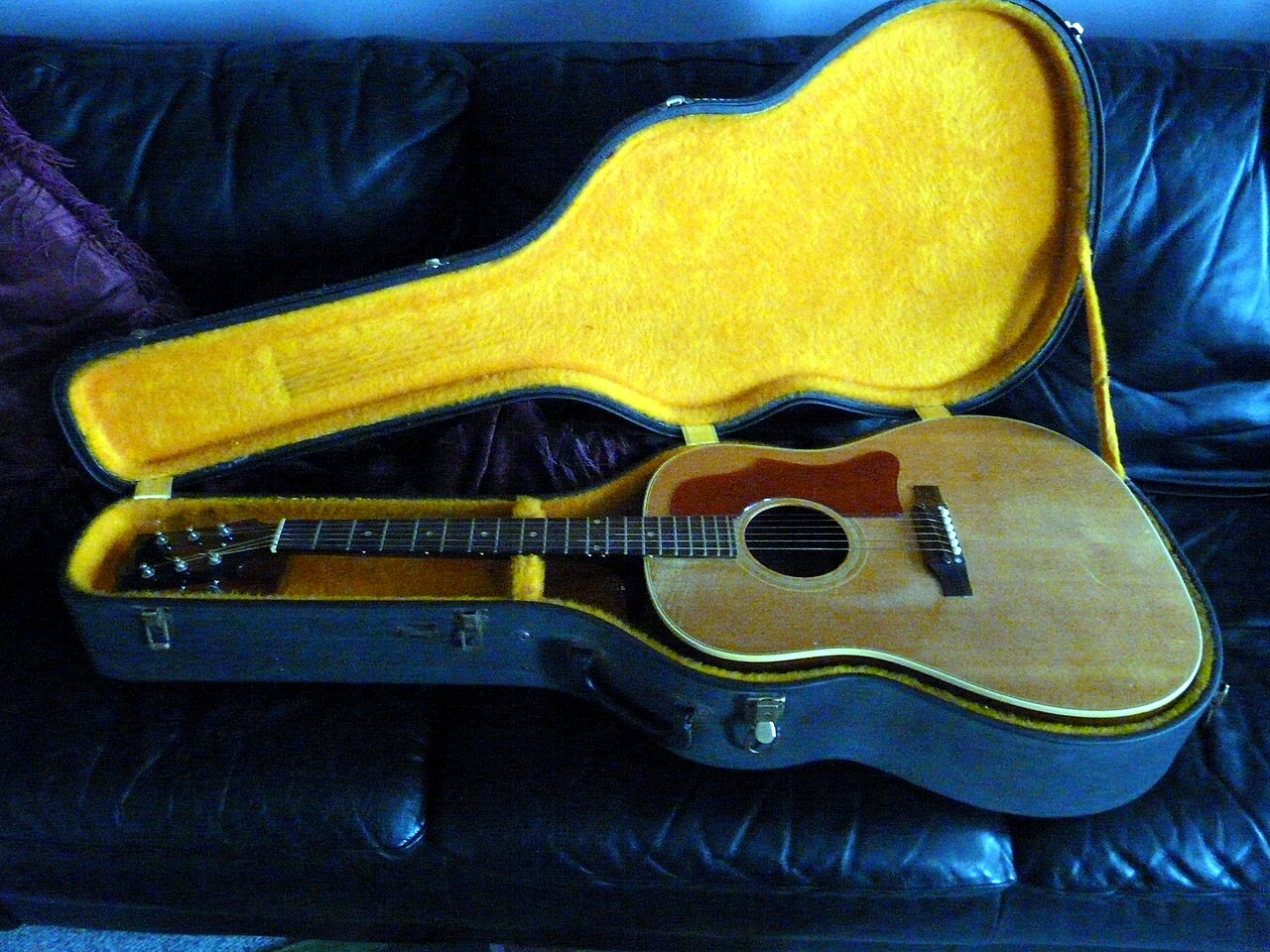
Why a lifting bridge changes the whole deal
When the bridge on a used acoustic starts to lift, a bargain listing can quickly become an expensive project. The bridge is glued to a thin wooden top and must resist constant string tension. If that joint separates, the problem affects more than looks. It can hurt intonation and playability, and if it is left alone, the top itself can suffer.
In one Reddit thread, a beginner asked what to check before meeting a seller. The search excerpt available describes a low-priced acoustic listed as working that had a visibly lifted bridge, and commenters warned the repair could cost more than the guitar was worth [R1]. That is a single anecdote, not market data. It still shows a familiar trap: a seller can honestly call an instrument working while it needs structural repair.
Inspect the bridge-to-top joint without prying
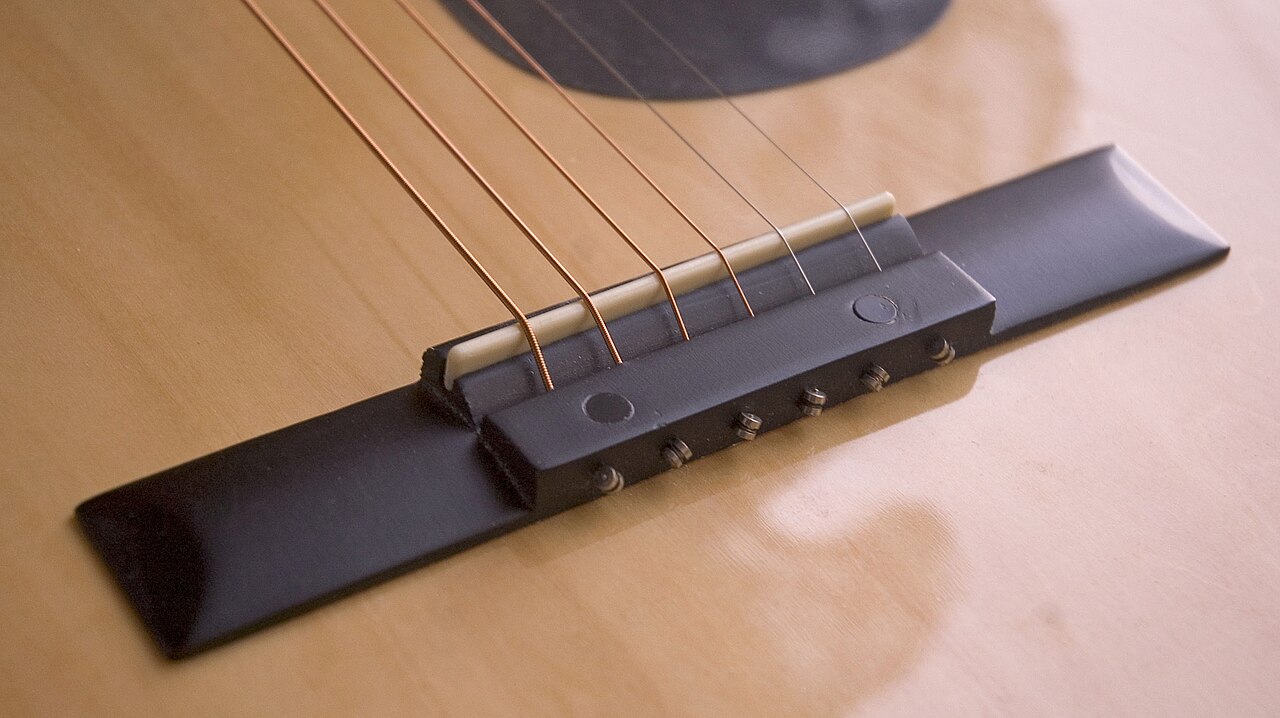
Start with a visual inspection only, and do it before anyone tunes or plays the guitar. Bring a small flashlight and look along the back edge of the bridge, the side facing the strap button, from a low angle. A healthy joint normally looks continuous. A shadow line, a visible gap or a lip of lifted wood is a finding. If you see one, do not ask for the strings to be brought up to pitch to see if it gets worse. Adding tension to a failing joint can worsen the damage, and seller permission does not make it safe.
Do not slide paper, a pick or a blade under the bridge to measure the gap. Photograph what you see instead, with the light raking across the surface, so a repair professional can give an opinion later. Also avoid suggesting the seller glue it down first. A quick home fix can hide the original problem and make proper repair harder.
- Check both wings of the bridge, not just the center.
- Look for the top bulging behind the bridge or sinking in front of it.
- Note old glue squeeze-out, mismatched finish or screws near the bridge, which may point to an earlier repair.
Distinguish neck relief from top distortion
High action can come from different places. One cause is excess neck relief, where the neck bows forward more than intended, which a qualified tech can often address through truss rod adjustment. Another is the top changing shape around the bridge. Taylor's support page on dry guitars notes that low humidity can change the top, the action and the fret ends, and it distinguishes those environmental symptoms from a defective neck [S1].
As a buyer, you are looking for clues, not a diagnosis. Sight down the neck from the headstock to see whether it looks evenly curved, flat or twisted, then view the top from the side near the bridge. A reasonable-looking neck paired with a raised area behind a lifting bridge points toward the body. That still does not prove humidity is the cause. Glue failure, earlier poor repairs, heat exposure or construction issues can look similar, and only a hands-on assessment can sort them out.
Check action and remaining saddle height together
Action alone does not tell you how fixable a guitar is. Note how much saddle stands above the bridge. A low saddle does not cause high action, but high action despite a saddle that is already nearly flush is an important clue: someone may have lowered it as far as possible to compensate for a deeper geometry problem, leaving little room for further adjustment. The fix may then involve a neck reset or bridge work rather than a simple setup.
If the guitar shows no visible structural warning signs and the seller is happy for you to play it at normal pitch, check the higher frets as well as open chords. Listen for buzzing and notice whether notes get much harder to press as you move up. Taylor lists fret ends among the changes linked to dry conditions [S1], so sharp edges sticking out along the fingerboard are worth mentioning to a tech.
- High action with a tall saddle: there may be adjustment room.
- High action with a nearly flush saddle: ask a luthier about neck angle before buying.
- Comfortable action with a lifting bridge: the playability may not last.
Ask about humidity storage and repaired cracks
Storage history matters because conditions leave marks on wooden instruments. Taylor's dry-guitar page says low humidity can cause cracks in addition to action and top changes [S1]. Ask where the guitar lived: in a case, on a wall hanger, in a garage or attic, near a heater or vent. Ask whether a humidifier was used and whether it traveled by air or sat in a car.
Then ask directly about repairs. Were any cracks cleaned and sealed, and by whom? Is there a receipt? Was the bridge ever reglued? A well-repaired crack is not automatically a dealbreaker, but an unrepaired one, or one filled with obvious household glue, changes value and risk. Look across the top, sides and back with a light, and check inside the soundhole for cleats or patches.
Red flags, seller deception and how to verify
Most sellers are not trying to deceive anyone, and some genuinely do not know what a lifted bridge means. Your job is to verify claims rather than assume bad faith. Words like working or plays fine can be technically true while leaving out structural problems, as the Reddit example suggests [R1]. Ask for clear photos of the bridge edge from the side, the saddle and any cracks before you travel.
Some signs deserve extra caution: a saddle that looks freshly sanded, photos that never show the bridge in profile, or vague answers about history. Context matters with tuning. A seller declining to bring a visibly lifting guitar up to pitch may simply be protecting it, which is sensible. On a guitar that looks structurally sound, however, strings kept well below pitch without explanation are worth asking about. If a repair shop is named, contact it to confirm the work, with the seller's permission.
- Bridge photos taken only from straight overhead.
- Vague or shifting answers about storage or past repairs.
- Pressure to decide immediately because of other buyers.
Get a luthier assessment before a structural bargain
Bring in a qualified luthier or guitar repair tech when you see a lifting bridge, a bulging top, cracks, or high action with little saddle left. A pre-purchase look generally costs far less than discovering afterward that the guitar needs a neck reset or bridge reglue. Some shops will comment from photos while others need the instrument in hand, so ask what they offer and what it costs before booking.
Ask the seller whether you can meet at a shop or take the guitar there before paying. Agreement is useful information, and so is refusal. Request an itemized estimate, including whether the guitar is worth repairing at all. Repair prices vary by region and instrument, so get a local quote for this specific guitar rather than relying on figures online.
Compare purchase plus repairs with a playable alternative
The useful number is the total cost of a guitar you will actually play. Add the purchase price, the repair estimate, a setup, strings and a case if needed, then compare that with a guitar that already plays well and shows no structural issues. Factor in time without the instrument and the chance that repair uncovers more work.
Hypothetical worked example, using invented round figures only to show the arithmetic: Guitar A is listed at 150 dollars with a lifted bridge. A local luthier estimates 200 dollars for bridge work and 60 dollars for a setup, and warns the neck angle may need attention later. Guitar A totals about 410 dollars with uncertainty remaining. Guitar B, a comparable model, is listed at 350 dollars and plays cleanly. In this made-up case, Guitar B is cheaper and lower risk despite the higher sticker price.
Tradeoffs: when a project guitar can still make sense
A guitar with a lifting bridge is not always a bad buy. If it has sentimental value, is a model you specifically want, or is priced low enough that repair still leaves you ahead, a project can be reasonable. The key is buying knowingly, with a repair quote in hand, rather than discovering the cost later.
For beginners, the case is usually weaker. A new player often cannot tell whether difficulty comes from the instrument or their own technique, and a hard-playing guitar can make early practice discouraging. If you are new, give extra weight to a guitar that plays comfortably today and save project hunting for later.
Your next steps
- Inspect and photograph the bridge's back edge from a low side angle with a flashlight before any tuning or playing.
- Never pry, shim, glue or add string tension to a bridge that appears to be lifting.
- Sight down the neck and look for bulging in the top behind the bridge.
- Note how much saddle sits above the bridge alongside the action.
- Ask where and how the guitar was stored and whether cracks or the bridge were repaired.
- Request repair receipts and confirm any named shop with the seller's permission.
- Get a local luthier's itemized estimate before paying for a guitar with structural signs.
- Total purchase plus repairs and compare it with a guitar that already plays well.
Questions that come up next
Is a small gap under the bridge always a dealbreaker?
Not always, but it should never be ignored. A small gap can grow under string tension, and the cause is not always obvious. It may relate to dry conditions, old glue or an earlier repair. Photograph it, avoid prying or tuning it up, and have a luthier judge whether the guitar is worth the asking price.
Can high action on a used acoustic be fixed with a setup?
Sometimes. If neck relief is adjustable and enough saddle height remains, a setup may help. If the action is high even though the saddle is already low, or the top has distorted, the fix may involve bridge or neck work instead. Dry conditions can also change action, so a qualified tech should identify the cause first.
Should I ask the seller to reglue the bridge before I buy?
It is usually better not to. A quick home repair can hide the original problem, use an unsuitable glue or make later professional work harder. Ask instead whether you can take the guitar to a repair shop for an assessment, then negotiate based on a written estimate from a qualified luthier.
Sources & further reading
Community discussions identify lived problems; they do not establish technical or legal requirements. Primary references support the specific claims cited above.
- R1 / COMMUNITY DISCUSSIONComplete beginner buying a used acoustic guitar. What should I ask the seller before meeting? ↗
- S1 / PRIMARY REFERENCETaylor: Symptoms of a Dry Guitar ↗