Start With the Room, Not the Moving-Head Count
Many concert lighting requests begin with a number, such as twelve moving heads, four strobes and some haze. That tells a vendor what to load on a truck. It says nothing about whether the bassist's face will be visible from the balcony, whether the livestream will clip to white, or whether an orchestra can read its parts. A useful concert lighting designer scope of work starts with the people and the space.
Before you request any lighting rental quote, write down who performs and where they stand, where the audience sits and what blocks its view, where cameras will be placed, and what the room already offers in ceiling height, hang points, power and house fixtures. Let the designer decide which instruments meet those needs. You may end up with fewer moving lights and better results.
- Stage plot with performer positions and any risers
- Audience layout, including balconies and obstructed seats
- Camera positions and whether video is streamed, recorded or projected
- Known venue limits on hang points, power and haze
Lighting Design vs Operator: Name Every Role
The designer, programmer, electrician, rigger, operator and stagehands do different jobs. On small shows one person may cover several of them, which is fine as long as the scope says so. The designer decides what the show looks like. The programmer builds that look into the console. Electricians and riggers handle power distribution and suspended loads, and that work belongs to qualified professionals under venue and local requirements, not to a willing volunteer. The operator runs the show live.
Your contract should also say who supplies lifts and ladders and who is authorized to use them. OSHA, a US federal agency, publishes recommended practices for host employers and contractors. They call for sharing hazard information, coordinating work and identifying responsible parties before contractors arrive [S2]. These are recommended practices, not a full map of what any particular job legally requires. For binding requirements, ask the venue and your local authority having jurisdiction.
- Name each role and the person or company filling it
- State who provides lifts and who holds authorization to operate them
- Confirm the venue's rigging and electrical approval process in writing
Creative Deliverables You Can Actually Review
A design is a set of documents you can check before load-in. Ask for a marked lighting plot that shows fixture positions, unit types and focus intent. Ask for a written description of each cue or look tied to songs or sections. Ask for the operating modes for each fixture and a statement that the planned console and data distribution can control everything listed. A mismatch in modes or control capacity often goes unnoticed until programming day.
Put review milestones on the calendar, such as a first draft plot, a revised plot after venue feedback, and a final cue list after the set list is locked. Each milestone gives you a chance to catch problems while changes are still cheap. If a contractor will only commit to bringing gear and working it out on site, you are paying for improvisation.
- Marked plot with positions and focus notes
- Cue intent per song or section
- Fixture modes and compatible control resources
- Dated review milestones with named approvers
Music Stands, Cameras and Faces
Concert lighting often has to meet needs that pull against each other. Players reading music need steady, even light on their stands. Cameras need exposure levels the video team can work with. The audience wants to see faces, and the show wants contrast and color. One community anecdote illustrates this. A festival organizer asking Reddit's lighting design community for quotes was looking for plot, hang, patch, programming and training while supplying their own operator, and the thread pointed to score reading and video constraints as real concerns [R1]. That is one discussion, not proof of how most festivals work, but the tension it describes is common enough to plan for.
The practical fix is observation. Write into the scope that the designer or programmer will attend a rehearsal, or a camera test if video matters, and adjust levels based on what performers and the video operator report. A look that is stunning to the eye can be unusable on a stream, and only testing will show which problem you actually have.
House Rig Versus Hired Gear
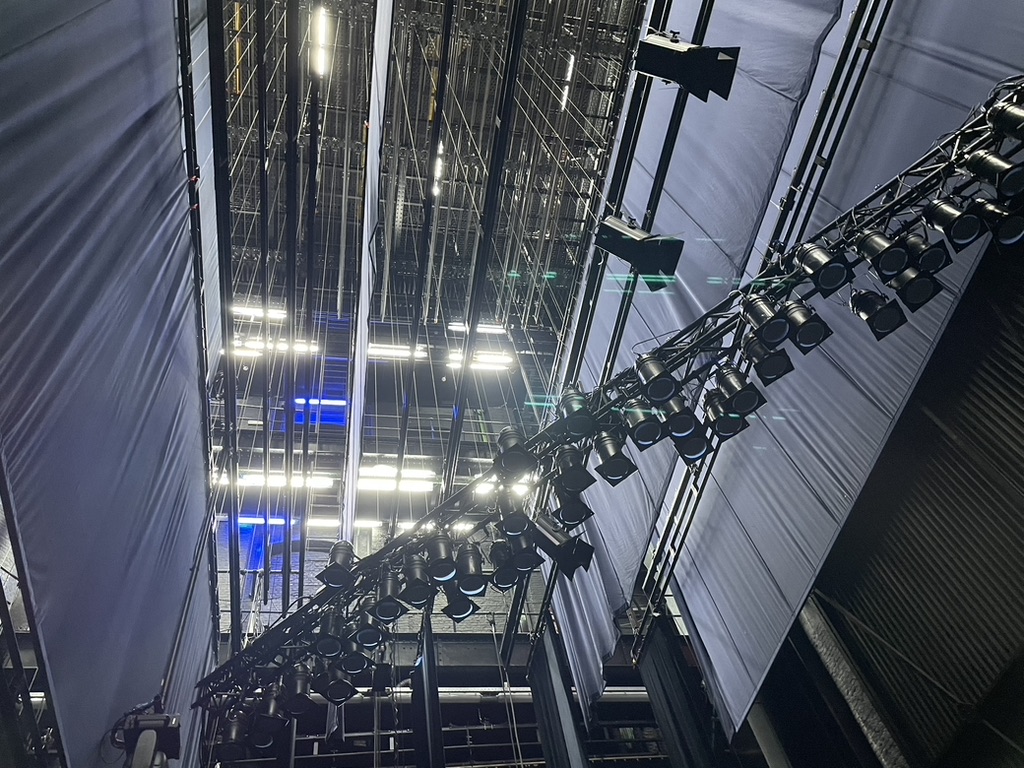
Many venues have installed lighting, and hired equipment often has to coexist with it. Without a written division, disputes follow over who refocused the house fixtures, who unpatched the house console, or who left the trusses in a different state than they were found. The scope should list which house fixtures and positions the contractor may use, which are off-limits, and who approves any changes.
Include restoration obligations. If house fixtures are refocused, recolored or repatched, the contract should say who restores them, by what deadline, and how restoration is confirmed. Get written access permissions from the venue, not only a verbal okay from whoever answered the phone. The contractor and the venue should share hazard and coordination information before load-in, which matches OSHA's recommended practice of coordinating before contractors arrive [S2].
Schedule an Acceptance Rehearsal
Acceptance means agreeing in advance what working correctly looks like and then checking it. AVIXA publishes a performance verification framework for audiovisual systems. It is a voluntary industry approach for agreeing on verification criteria, timing and reporting, not a government permit or law [S1]. You do not have to adopt it formally, but its core idea suits concert lighting well: decide the tests before the show, then record the results.
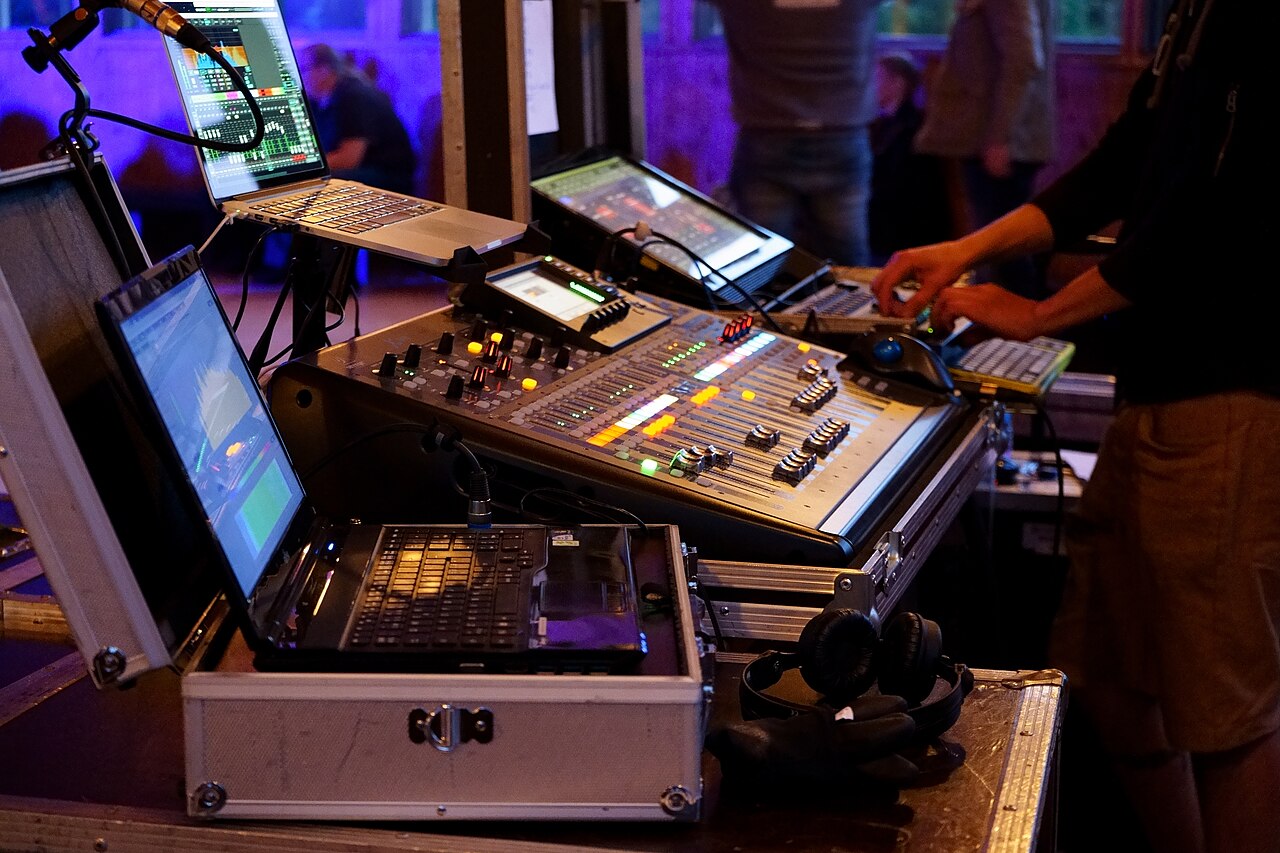
A practical acceptance rehearsal runs representative looks for each section of the show. It checks what happens during a blackout and how the system recovers, including whether the console and fixtures come back to a known state. It also includes training for your operator if you are supplying one. Write down every defect with an owner and a deadline before doors. A short signed defect list protects both sides.
- Run at least one look per distinct section of the show
- Test blackout and recovery behavior
- Hand over a cue list and a basic recovery procedure to the operator
- Record defects, owners and fix deadlines in writing
Red Flags in a Lighting Rental Quote
A misleading quote usually looks cheap because it counts fixtures and leaves out labor. Check whether it includes design time, programming days, focus time, console rental, data and power distribution, travel, lodging, and show-day operation. A quote that lists forty fixtures and one line for setup may grow considerably once those items appear as change orders.
To verify a quote, ask the contractor to break out labor by role and by day, to name the console and say whether it is included, and to state what is excluded. Ask whether design documents come before payment milestones or only after. Do not rely on day rates from old forum posts. Rates change, so get current written figures from the contractors you are considering.
- No programming or focus time listed
- Console or control equipment missing or marked as TBD
- Travel and show operation not mentioned
- Vague phrases such as standard setup in place of named tasks
Hypothetical Worked Example
Hypothetical: a community orchestra books a 900-seat hall for a pops concert with a livestream. The first quote lists sixteen moving lights and one load-in day. The organizer instead writes a scope listing stand positions, two camera locations, and the hall's house front-of-house fixtures, which the venue says may be used but not refocused. The organizer asks for a draft plot three weeks out, a final cue list one week out, and an acceptance rehearsal at dress.
The revised quote has fewer moving lights but adds a programming day, a camera check during dress, and a console rental that was missing from the first version. At dress, the camera operator reports that faces are overexposed during the brass feature. The programmer lowers levels, and the issue goes on the defect list as resolved. The total cost is higher, but there are fewer surprises on show night.
When to Escalate
Escalate to the venue's technical director or production manager when the contractor wants to use hang points, power or house equipment not covered in writing. Questions about structural loads, electrical capacity or lift operation belong with qualified professionals and the venue's approval process. A promoter should not settle them by negotiating with a vendor.
Also escalate when deliverables slip past milestones, when a contractor declines to itemize labor, or when acceptance testing shows defects that no one will take ownership of. For local permit or inspection questions, contact your city or county building or fire authority directly. Requirements vary by jurisdiction, and a federal guidance page cannot answer them.
Your next steps
- Describe performers, sightlines, cameras and room limits before requesting quotes
- Name the designer, programmer, electrician, rigger, operator and crew in writing
- Confirm who supplies lifts and who is authorized to operate them
- Require a marked plot, cue intent, fixture modes and control plan with dated reviews
- Get written venue permission for house rig use and restoration terms
- Schedule an acceptance rehearsal covering looks, blackout recovery and operator training
- Ask for itemized labor, console, travel and show operation in every quote
- Record defects with owners and deadlines before doors open
Questions that come up next
What is the difference between a lighting designer and a lighting operator?
The designer decides what the show should look like and documents it in a plot and cue intent. The operator runs the console during the performance. Some contractors provide both, and some clients supply their own operator. Your scope should say which arrangement applies and include training if your operator will run a show they did not program.
Is the AVIXA verification framework a legal requirement?
No. AVIXA describes it as a voluntary industry framework for agreeing on verification criteria, timing and reporting. It is useful as a model for an acceptance rehearsal, but it is not a permit or a law. Local requirements for electrical work, rigging and occupancy come from your venue and the relevant city, county or state authority.
Why did my lighting rental quote increase after I asked questions?
Early quotes often count fixtures but leave out programming days, focus time, console rental, travel or show operation. When you ask for those items, they appear as costs. That usually means the quote now reflects the real work. Compare contractors on fully itemized quotes, not on fixture counts alone.
Sources & further reading
Community discussions identify lived problems; they do not establish technical or legal requirements. Primary references support the specific claims cited above.
- R1 / COMMUNITY DISCUSSIONAnyone here willing to give me a quote for a lighting design/consultation/build for a festival next summer? ↗
- S1 / PRIMARY REFERENCEAVIXA: Audiovisual Systems Performance Verification ↗
- S2 / PRIMARY REFERENCEOSHA: Communication and Coordination for Host Employers, Contractors, and Staffing Agencies ↗