Deck-only package or complete stage: know what you are buying
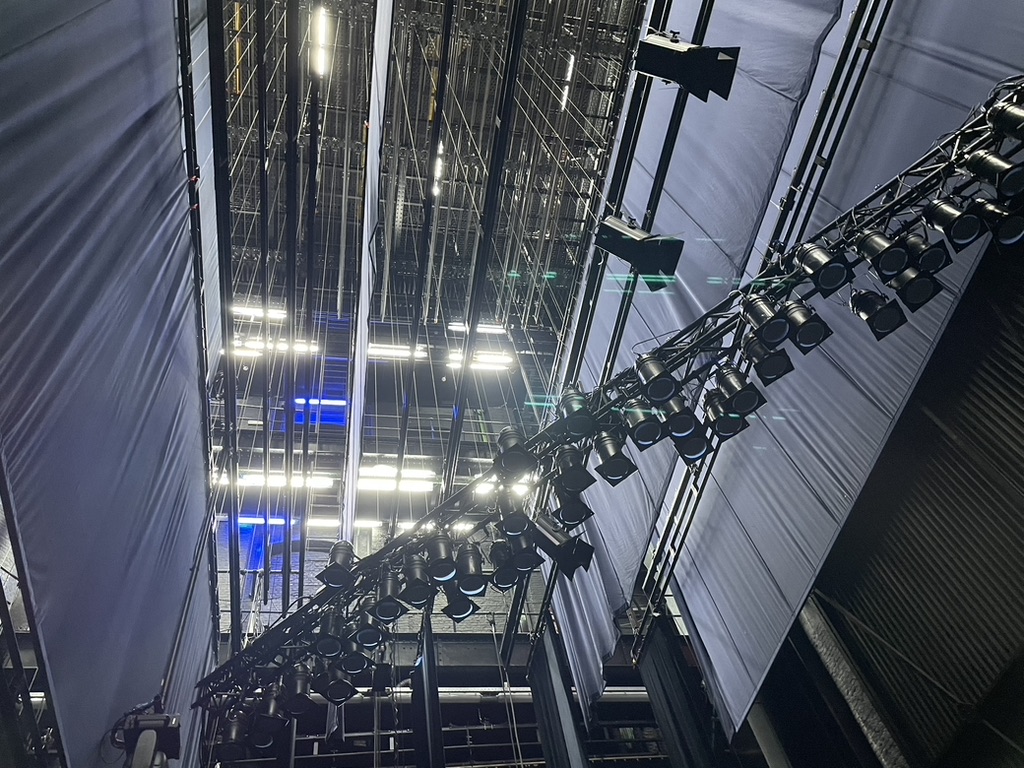
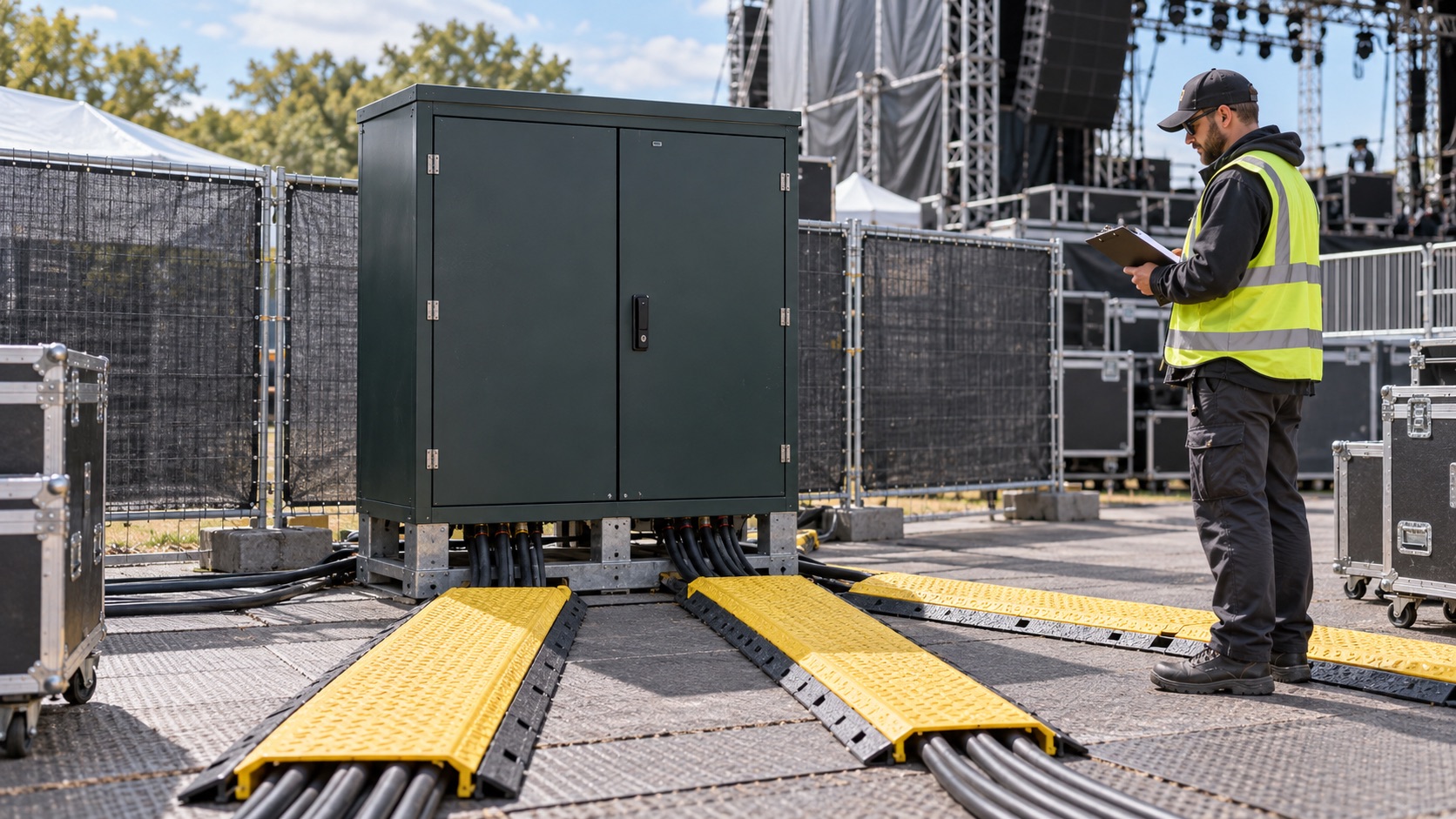
Two stage quotes can list the same dimensions and still describe very different things. A deck-only package may cover platforms, legs and perhaps stairs. A complete stage can add a roof system, access stairs or ramps, guardrails, wings, wind walls, and designed provisions for hanging lights, speakers and video.
A price difference between those two options means little until you know what each one contains. Before comparing bids, list the items your show needs. Ask each supplier to mark every line as included, available as an extra, or not offered. Missing items tend to surface during load-in, when replacing them costs the most.
- Performance deck, risers and specified finished height
- Roof, ground support or other hanging structure
- Stairs, ramps and guardrails at open edges
- Wings, side stages, front-of-house risers and soft goods
- Documented capacity for any production loads that will be hung
The soft-goods gap: a community anecdote about incomplete packages
In one Reddit thread, an organizer in Seattle said platform suppliers were easy to find, but wings, battens and theatrical soft goods were hard to source as a complete package [R1]. This is a single anecdote and says nothing about how often the problem occurs. It does show how a stage can be booked while the parts that make it usable for a show are left out.
Plan for the gaps between vendors. If one company supplies the deck and another supplies drapes or masking, someone has to confirm that the second vendor's items can be attached to the first vendor's structure, and who will attach them. Photos of past events and claims about crowd size do not answer that question. Neither one proves that a structure suits your configuration.
Site facts to give the supplier before you ask for a quote
A contractor can only assess the site conditions it has been told about. Give the supplier a written site brief. It should cover the surface type (asphalt, turf, gravel, or a deck over a parking structure), any visible slope, and known buried services such as irrigation, gas or electrical lines. It should also describe the vehicle access route, including gates, height limits and turning space.
Describe how the stage will be used. Include audience boundaries and barricade lines, expected performer numbers, vehicles or heavy backline that will cross the deck, and arrival times for equipment. Records of underground services usually sit with the venue owner or a utility locate service, not the stage supplier. Ask the venue who is responsible for locating those services before any ground work begins.
- Site plan with stage footprint and audience areas marked
- Surface type and any known soft or uneven ground
- Access route dimensions and load-in time windows
- Intended uses: performers, backline and hung production elements
Mobile stage engineering documents to request
Ask for the exact structure model and the specific configuration being supplied, not a brochure for a whole product family. Request the supplier's documentation for that configuration, including any stated load and weather limits. Then ask your local authority whether it requires engineering prepared for your particular site and show. That requirement varies by jurisdiction, so have the supplier confirm in writing who will provide any required engineering.
If the paperwork describes a different size, roof option or loading than the one you are renting, raise the discrepancy before you sign. Do not try to calculate the difference yourself, and do not accept a verbal assurance that the variation is fine. A configuration change should be reviewed and documented by someone qualified to approve it.
Stage rental roof load: reconcile every vendor before mobilization
Every vendor that hangs equipment draws on the same roof capacity. In one Reddit discussion about an outdoor video wall, commenters disagreed about roof capacity, lifts and vendor timing [R2]. That is a single thread. Our editorial view is that opinions based on photos cannot establish whether a structure is safe. A further risk is that vendors who plan independently may each count on the same spare capacity.
Ask the stage supplier to issue its capacity and attachment-point information. Then require the lighting, audio and video suppliers to submit their weights, rigging points, and any lifts or heavy equipment they plan to bring onto the site. The stage supplier, or the engineer it names, should confirm in writing that the combined plan fits the approved configuration. No vendor should assume there is capacity to spare.
Temporary stage permit duties: a local example and the contract
Permit requirements depend on the jurisdiction. As one local example, the City of Austin's special events application for temporary structures asks for site and floor plans, structure area and occupancy, obstructions, power-line clearance, an onsite contact, and inspection arrangements [S1]. The PDF is dated July 17, 2020, but the city's current forms directory still links to it [S1]. This is Austin's local process. It is not a federal rule and it is not engineering approval. Check what the building, fire or special events office in your own jurisdiction requires.
Write the division of responsibilities into the agreement. Specify who prepares and submits the permit application, who schedules inspections, which documents must be kept on site, and who pays to correct problems an inspector finds. If the contract leaves these points out, the cost of a failed inspection on show day may fall on the organizer.
Credentials: what certification shows and what it does not
ETCP, the Entertainment Technician Certification Program, describes separate arena and theatre rigger credentials. Its arena scope includes temporary chain-hoist and truss suspension [S2]. It is reasonable to ask which credential a lead rigger holds and whether it matches the work. ETCP certification is a voluntary industry credential, not a legal license, and your jurisdiction may set its own requirements.
In our editorial view, a person's certification and the approval of a structure's design are separate questions. A credentialed rigger working on a configuration that no one has validated is still working on an unvalidated structure. Treat credentials as one check among several. Verify any claimed certification directly with the issuing program rather than relying on a résumé.
Hypothetical worked example: a park festival main stage
Hypothetical: an organizer books a mid-size roofed stage for a one-day park festival. The quote covers the deck, roof and stairs. On review, the organizer notices that guardrails, wings and front-of-house risers are not listed. The video vendor plans to hang an LED wall from the roof, and the lighting vendor plans a full truss rig. Neither vendor has seen the other's plan.
The organizer asks for a line-item scope revision and sends a site brief noting turf over a known irrigation line. All three vendors submit their loads to the stage supplier. The supplier replies that the combined hang exceeds the documented configuration and offers two options: put the video on ground support, or reduce the lighting. The organizer chooses one, gets the revision in writing, confirms permit duties with the city, and schedules the handover ahead of the inspection.
Handover: restrictions, weather actions and named people
Before anyone performs, require a documented handover from the contractor. It should state the approved configuration and the load and use restrictions. It should also list the weather conditions that trigger action, what that action is, and who has authority to order it. Take any weather limits from the supplier's documentation. Do not assume a universal threshold applies.
The handover should also state who may authorize changes after signoff, such as adding a banner or moving a speaker hang, and how those changes are recorded. Name the qualified people responsible on site and include their contact details. Make sure show-call staff know who they are.
- Signed handover document kept at the production office
- Named weather monitor and decision authority
- Written process for any change after handover
Red flags, verification and when to escalate
Warning signs include documents that do not name your configuration, reluctance to share paperwork before load-in, credentials the issuing body cannot confirm, and assurances like "we do this all the time" offered instead of written limits. Photos of earlier shows, or claims that the stage held a large crowd, do not show that your setup is suitable.
Escalate when vendors' load plans conflict, when an inspector raises concerns, or when the contractor proposes last-minute changes. Escalation can mean bringing in an independent licensed engineer, contacting the local authority having jurisdiction, or pausing the build until the issue is resolved in writing. A delayed load-in costs far less than a structure no one can vouch for.
Your next steps
- List every stage element the show needs and have each bidder mark it included, extra or not offered.
- Send the supplier a written site brief covering surface, slope, buried services, access and audience boundaries.
- Obtain the exact model, approved configuration and supplier documentation for the stage you are renting.
- Ask your local authority whether project-specific engineering is required, and assign who will provide it.
- Collect weights and attachment points from the lighting, audio and video vendors, and get written reconciliation from the stage supplier.
- Write permit submissions, inspection scheduling, on-site documents and correction costs into the contract.
- Verify claimed rigging credentials directly with the issuing program.
- Require a signed handover naming restrictions, weather actions, change authority and responsible people.
Questions that come up next
Is a certified rigger enough to make a stage safe?
Not on its own. ETCP describes distinct arena and theatre rigger credentials, but a person's credential and a structure's validated design are separate matters. The stage still needs supplier documentation for the exact configuration and loading, plus any engineering your authority requires. Treat credentials as one verification step, and confirm them with the issuing program.
If my stage passed inspection in Austin, is it approved elsewhere?
No. Austin's temporary-structure application is a local city process that asks for plans, occupancy, clearances, an onsite contact and inspection arrangements. It does not grant approval in other cities or states. Contact the building, fire or special events office where your show will take place and ask what it requires and how inspections are scheduled.
Can I judge roof capacity from photos of past shows?
No. Photos and crowd size cannot confirm that a structure is suitable. Capacity depends on the specific model, configuration, site and combined production loads. A community discussion about an outdoor video wall shows how easily vendors can disagree. Ask the stage supplier, or the engineer it names, to confirm in writing that your full hanging plan fits.
Sources & further reading
Community discussions identify lived problems; they do not establish technical or legal requirements. Primary references support the specific claims cited above.
- R1 / COMMUNITY DISCUSSIONStaging and Rigging in Seattle ↗
- R2 / COMMUNITY DISCUSSIONQuestion about led wall rigging ↗
- S1 / PRIMARY REFERENCEAustin: Special Events Application for Temporary Structures ↗
- S2 / PRIMARY REFERENCEETCP: Rigger Arena / Theatre Certification ↗