Separate what you hear in headphones from what the building hears
Many buyers assume headphones solve the noise problem with electronic drums in an apartment. Headphones only deal with the sampled sounds produced by the drum module, and only if the module's audio actually goes to the headphones with any speakers or amplifier turned off or disconnected. Some setups keep speaker output active while headphones are plugged in, so check that first. The physical act of drumming does not change: sticks still strike pads, and your feet still drive a beater into a kick pad and press a hi-hat controller.
Roland, which makes electronic kits, acknowledges that pad impacts produce airborne noise and that pedal vibrations can be transmitted through floors [S1]. That is useful information from a manufacturer, but marketing a kit as quieter is not a guarantee that it will be quiet enough in your particular building [S1]. Your floor construction, your neighbors, and your playing style determine the outcome, not the product page.
- Module sound: can be routed to headphones with speakers off.
- Stick-on-pad clatter: airborne, audible nearby and possibly through walls or doors.
- Kick and hi-hat pedal impacts: travel into the floor, which matters most for anyone below you.
Assess floor transmission and permitted practice hours
Start with your building. Are you on a ground floor, or above another unit? Does the floor feel solid, or does it flex when you walk? Can you already hear the footsteps of the person above you? If ordinary footsteps carry between units in your building, it is reasonable to expect that repeated pedal strikes may carry too, so plan for drum pedal floor vibration as a real possibility rather than an afterthought.
Next, read your lease and any building rules for quiet hours, instrument clauses, or complaint procedures. Noise rules can come from the lease, the building, and local ordinances, and they vary by place, so read the actual text that applies to you rather than relying on what other renters say. If instrument practice is allowed only in certain hours, that schedule matters more for planning than any feature list.
- Note your floor level and who lives below or beside you.
- Find the quiet-hours language in your lease, and ask management in writing if it is unclear.
- Look up your own city or county noise rules directly rather than a general summary.
Measure the footprint, including throne and pedal travel
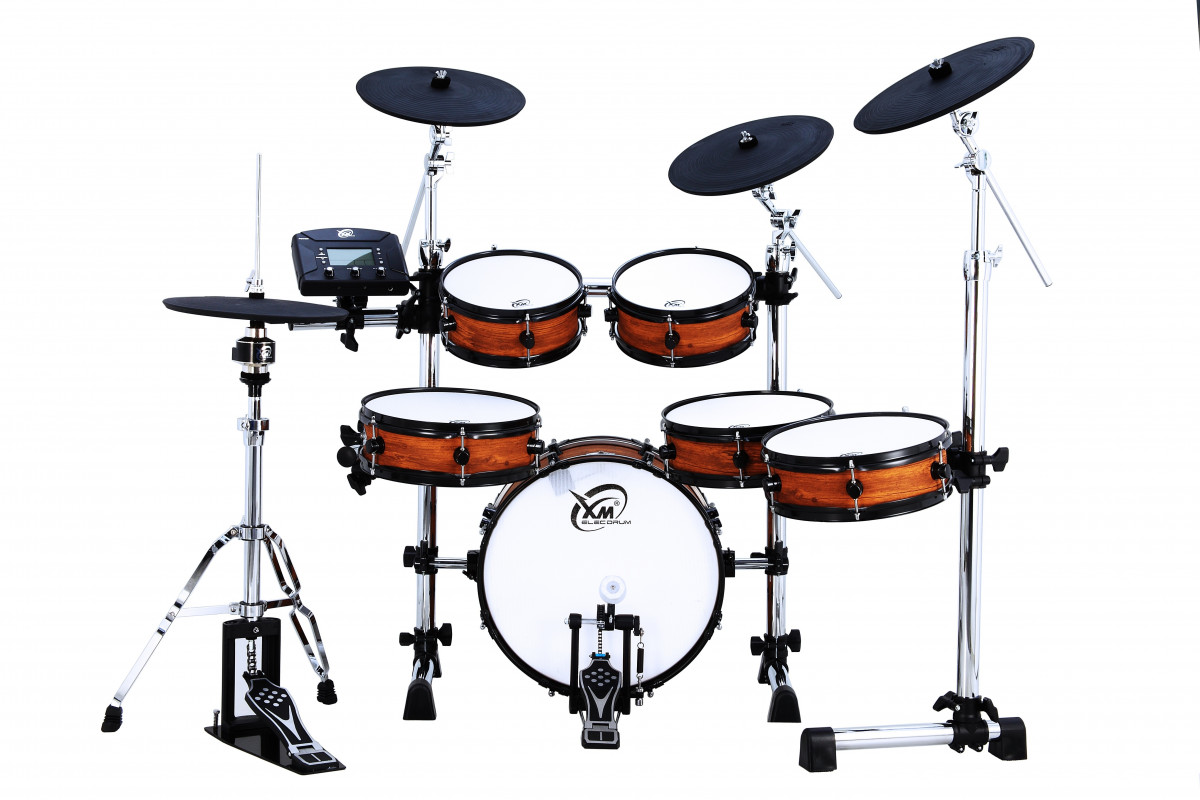
Spec-sheet dimensions often describe the rack or shell layout, not the space a drummer actually uses. Include the throne, the space your body takes up while seated, the travel of the kick and hi-hat pedals, the reach to the cymbals, and clearance so sticks do not hit a wall, shelf, or window. Leave room to sit down and stand up without climbing over hardware.
Placement also affects how far noise spreads. A kit pushed against a shared wall, or set above a room where a neighbor sleeps, is a poor starting point. Mark the full footprint on the floor with painter's tape and sit in it on a chair to check reach and comfort, so you are judging your real space and location instead of a diagram.
Electronic vs acoustic drums: low-volume practice versus electronic response
The choice is not simply quiet versus loud. Some drummers fit an acoustic kit with low-volume heads and cymbals. That keeps the acoustic layout and hardware, but the feel, rebound, and tone change compared with a normal acoustic setup, and the kick pedal still strikes a drum sitting on the floor. How much these products reduce sound varies by product, so check each manufacturer's own claims and return terms before relying on them. An electronic kit can move the drum sounds into headphones and often adds practice tools, but pad clatter and pedal impacts remain [S1].
Community discussion points the same way. In one Reddit thread, a beginner in an apartment who was leaning toward acoustic drums said they were worried about repeated neighbor complaints, and commenters replied that electronic kits still produce pedal and pad noise [R1]. That is anecdotal discussion from a small thread, not measured evidence, but it matches the manufacturer's description of the issue. Decide what matters most for your practice, then ask which option your building can realistically tolerate.
- Acoustic with low-volume gear: familiar layout, but changed feel and tone, and floor impacts remain.
- Electronic: headphone sound and practice features, but impact and vibration noise remain.
- Practice pad plus pedal work: lowest commitment, though the pedal question still applies.
Arrange a real neighbor-side sound test where feasible
Before buying, try to hear what your neighbor would hear. Ask a music store about rentals or trial options, borrow a kit from a friend, or at least bring home a pedal and kick pad. Have someone play a realistic groove, not gentle taps, for several minutes while you listen from the hallway and, with permission, from the unit below. Repeat the test at the hours you actually plan to practice.
If a neighbor agrees to help, the conversation can also prevent problems later. Ask what they hear, which times would bother them, and how they would prefer to let you know if the noise becomes a problem, whether by text, a note, or a knock. Be clear that a quieter result is your goal, not a promise. A phone sound-meter app can help compare one setup with another, but treat it as a rough indicator, not proof of compliance with any rule.
Set return criteria before you pay
Decide in advance what result would make you return the kit, and write it down. For example: the neighbor below can clearly hear the kick pattern during your planned hours, or management receives a complaint during the trial. Clear criteria stop you from talking yourself into keeping a kit simply because you enjoy playing it.
Then confirm the seller's return policy in writing: how many days you have, whether opened electronic drums are returnable, who pays return shipping, and whether a restocking fee applies. Keep the packaging until the trial ends. Private and used sales may offer no returns at all, so ask before paying.
Red flags and how to verify claims
Be wary of listings that call a kit silent, neighbor-proof, or guaranteed apartment-safe. A manufacturer that promotes quiet design still acknowledges pad and pedal noise [S1], so absolute claims from a reseller deserve skepticism. Treat reviews that praise quietness without describing the floor or who was listening as weak evidence, and avoid sellers who will not put return terms in writing.
Products sold as soundproofing need the same scrutiny. Acoustic foam can reduce echo inside a room, but it is not sound isolation and will not stop vibration traveling through the floor. If a seller says a panel or mat will keep neighbors from hearing you, ask the product's manufacturer what it is designed to reduce and what the return terms are.
- Absolute words like silent or guaranteed.
- Return terms offered only verbally.
- Foam marketed as soundproofing.
- Reviews with no building or listener context.
Hypothetical worked example
Hypothetical: Dana rents a second-floor unit above a neighbor who works early shifts. The lease sets evening quiet hours, and Dana wants to practice after work. Dana tapes out the footprint, finds the only workable corner sits over the neighbor's living room rather than bedroom, and borrows a friend's electronic kit for a weekend. With the neighbor's agreement, they test in the early evening. The neighbor says the cymbal pads are faint, but the kick pattern is clearly audible.
Now Dana has real information. Dana moves practice earlier, buys from a store with a written return window, and sets one criterion: if the neighbor still hears a clear kick pattern after a two-week trial, the kit goes back. Dana plans to ask manufacturers about isolation accessories rather than building anything. Every detail here is illustrative; your lease, store terms, and building will differ.
When escalation makes sense
If complaints continue after you have adjusted hours and placement, talk with building management before it becomes a lease dispute. Ask what they consider acceptable and get the answer in writing. Some communities offer neighbor mediation services, which can help when conversations stall.
If you are considering anything that changes the floor or walls, stop and involve the landlord and a qualified professional such as an acoustical consultant. Changes to a rental are not a DIY project and may require permission. For questions about your rights under a lease or local rule, consult a local tenant rights organization or attorney, not a forum thread.
Your next steps
- Confirm module audio goes only to headphones, with speakers off or disconnected.
- Read your lease and building rules for quiet hours and instrument clauses.
- Look up your own city or county noise rules directly.
- Tape out the full footprint, including throne, pedal travel, and stick clearance.
- Place the kit away from shared walls and neighbors' bedrooms where possible.
- Run a borrowed or rental kit test heard from the hallway or the unit below.
- Write down specific criteria that would trigger a return.
- Get the return window, restocking fees, and shipping terms in writing before paying.
- Involve management or a qualified professional before any floor or wall changes.
Questions that come up next
Are electronic drums quiet enough for an apartment?
Sometimes, but not automatically. With speakers off, module sounds can go only to headphones, yet pad strikes and pedal impacts still make noise, and a manufacturer acknowledges pedal vibration can travel through floors. Whether that is acceptable depends on your floor, neighbors, and practice hours, so test from the neighbor's side before committing to a purchase.
Is an acoustic kit with low-volume heads a better choice?
It depends on your priorities. Low-volume heads and cymbals keep an acoustic layout, but they change feel and tone, and the kick still strikes a drum on the floor. Electronic kits send drum sounds to headphones and add practice tools. Either way, foot impacts can still reach neighbors below, so check manufacturer claims and test.
Will acoustic foam fix drum noise for my neighbors?
No. Acoustic foam can reduce echo inside your room, but it does not isolate sound or stop vibration traveling through the floor. Be skeptical of sellers promising otherwise. Ask any accessory manufacturer what its product is designed to reduce, and involve your landlord and a qualified professional before considering changes to floors or walls.
Sources & further reading
Community discussions identify lived problems; they do not establish technical or legal requirements. Primary references support the specific claims cited above.
- R1 / COMMUNITY DISCUSSIONShould I buy Acoustic or Electric Drum Kit ? ↗
- S1 / PRIMARY REFERENCERoland: V-Drums Quiet Design ↗